
Posted by: Eye Specialists of Mid Florida in Blog, News and Events

Ryan Peardon, O.D.
The human eye is roughly the size of a quarter, yet it is incredibly complex. For you to have clear, functional vision, several different structures must be healthy and working in harmony. Think of an eye exam as a “bumper-to-bumper” safety check for your sight. Here are the primary tests we use to ensure your eyes are performing at their best.
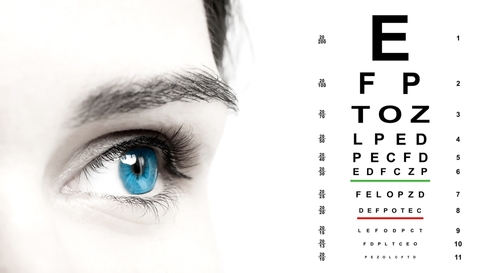
Visual Acuity: The visual acuity test is the cornerstone of the eye exam. This is the familiar process of reading increasingly small letters on a wall chart to measure the sharpness of your vision. The ideal score is 20/20, but what does that actually mean? The top number indicates the distance you are from the chart (usually 20 feet). The bottom number indicates the size of the letter you can identify. If you have 20/40 vision, it means you have to be as close as 20 feet to see what a person with “normal” vision can see from 40 feet away. The smaller that bottom number is, the sharper your vision.
Eye Pressure: This is most commonly tested by the “air puff” machine (medically known as Tonometry). While some might find the puff a bit startling, it serves a vital purpose. The pressure inside your eye can tip us off to various conditions. A typical score for most people is between 10 and 20. Readings outside of this range can indicate issues like glaucoma, inflammation, or infections. However, “ideal” pressure varies from person to person, so it is your eye doctor’s job to determine what is a safe level for your specific eyes.
Eye Alignment: Each eye is moved by six small muscles attached to the outside of the eyeball. These muscles ensure that both eyes are focused on the exact same spot at the exact same time. When these muscles are out of balance, your eyes stop working as a team. This can cause you to see double because each eye is sending a slightly different “picture” to the brain. By conducting this test, we can identify which muscle is struggling and determine what might be causing the lack of coordination.
Pupil Check: The pupil is the dark opening in the center of your eye that acts like a window, changing size to control how much light enters. These changes are controlled automatically by signals sent between your brain and your eyes. We test this reaction by shining a light directly at the eye and observing how the pupil responds. If the pupil doesn’t “zip up” or react as expected, it can indicate a problem within the eye itself, the brain, or the pathways in between.
Refraction: This is the part of the exam where the doctor asks, “Which is better: one or two?” This test allows us to determine if you are nearsighted (struggling to see far away) or farsighted (struggling to see up close). By fine-tuning these options, we can find the exact prescription needed for your eyeglasses or contact lenses to bring the world back into focus.
The Physical Health Check: Using a specialized microscope called a Slit Lamp and powerful hand-held lenses, we examine the actual structures of the eye. We look at everything from the clear “windshield” (cornea) in the front to the “wallpaper” (retina) in the back. This part of the exam allows us to assess for eye-specific conditions like macular degeneration (wear and tear on your center vision) or infections. Remarkably, we can also see early signs of “whole-body” health issues — such as high blood pressure, high cholesterol, or diabetes, sometimes even before your primary care doctor detects them.
Eye exams are not “one size fits all.” We may add or remove certain tests depending on why you are visiting. However, these basic elements provide a vital foundation for the routine eye care we recommend at least once a year. Our team of doctors at Eye Specialists of Mid-Florida will gladly assist you with any of your vision needs. We have several locations to serve you better; contact us at 800-282-3937 or EYESFL.COM.
Dr. Ryan Peardon is a board-certified optometrist who sees patients at the Lake Wales and Winter Haven locations for Eye Specialists of Mid-Florida. He specializes in primary care optometry and contact lenses and is currently accepting new patients.