

Posted by: Eye Specialists of Mid Florida in Blog
By Terrance Hafner, O.D., Board Certified Optometric Physician
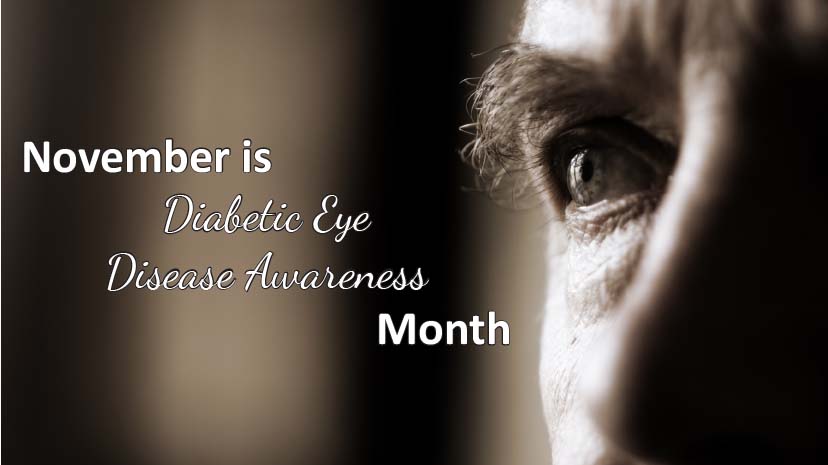
November is National Diabetic Awareness Month and the doctors at Eye Specialists of Mid•Florida want to raise awareness about diabetes and the effects it can have on the eyes.
Diabetes is the leading cause of blindness in the United States in adults. Over the past several years, the incidence of diabetes has grown as well as the rate of vision loss due to the disease. Diabetes can cause many eye problems. Here are three important things every diabetic should know to help preserve their vision.
- Know your A1C. Unfortunately, not many of our diabetic patients know this number. Your hemoglobin A1C is a blood test which measures the average blood sugar over a two to three month period. This blood test is typically performed every six months and allows your doctor to measure the stability of your blood sugar levels. According to the American Diabetes Association, most people with Type 2 diabetes should keep their A1C levels below 7.0. If this number is higher than 7.0, it typically indicates a need for treatment modifications. A high A1C also indicates an increased chance of complications from diabetes, including an increased risk of vision fluctuations and diabetic eye disease.
- All diabetics should have a dilated comprehensive eye examination EVERY YEAR to monitor for changes in their eyes related to diabetes, such as cataracts and glaucoma. Dilation is especially important as this allows your doctor to view the internal structures of the eye that are subject to diabetic eye disease. This eye disease is caused by changes in the blood vessels of the retina. In some people, retinal blood vessels may swell and leak fluid, while in other cases abnormal blood vessels grow on the surface of the retina. These changes may result in vision loss or blindness.
- According to the National Institute of Health, 90% of blindness from diabetes can be prevented with timely treatment of blood sugar, blood pressure, and cholesterol issues along with routine monitoring. It is important for diabetics to realize that with proper treatment and follow-up with both your primary care physician and your eye doctor, you can significantly reduce your risk of blindness. The doctors and staff at Eye Specialists of Mid•Florida are trained to perform diabetic eye exams and any treatment that may be required. We report our findings to your primary care physicians to keep them informed of the health of your eyes. We believe that good communication between your eye doctor and your primary care physician is important for the overall health and well-being of our patients and their eyes.
If you or a family member has diabetes and would like to schedule an appointment for an eye examination, please call us at (863) 294-3504.


